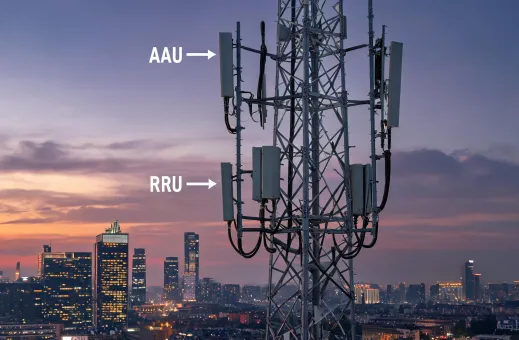
Mobile Carriers
KPI: sub-10 ms latency, n78/n258 radio stability, and RF front-end gain control for dense 5G NR rollouts.
Vishay components are specified where telecom operators, OEMs, and integrators need stable electrical behavior across RF, optical, power, and sensing domains. The same discipline that protects a calibration resistor in a spectrum analyzer can also protect thermal feedback in a PoE switch, bias control in a radio unit, or sensing accuracy in a remote cabinet. Each industry below has different KPIs, yet the engineering question is consistent: how much drift, heat, insertion loss, leakage, or pulse energy can the system tolerate before uptime or compliance is affected?
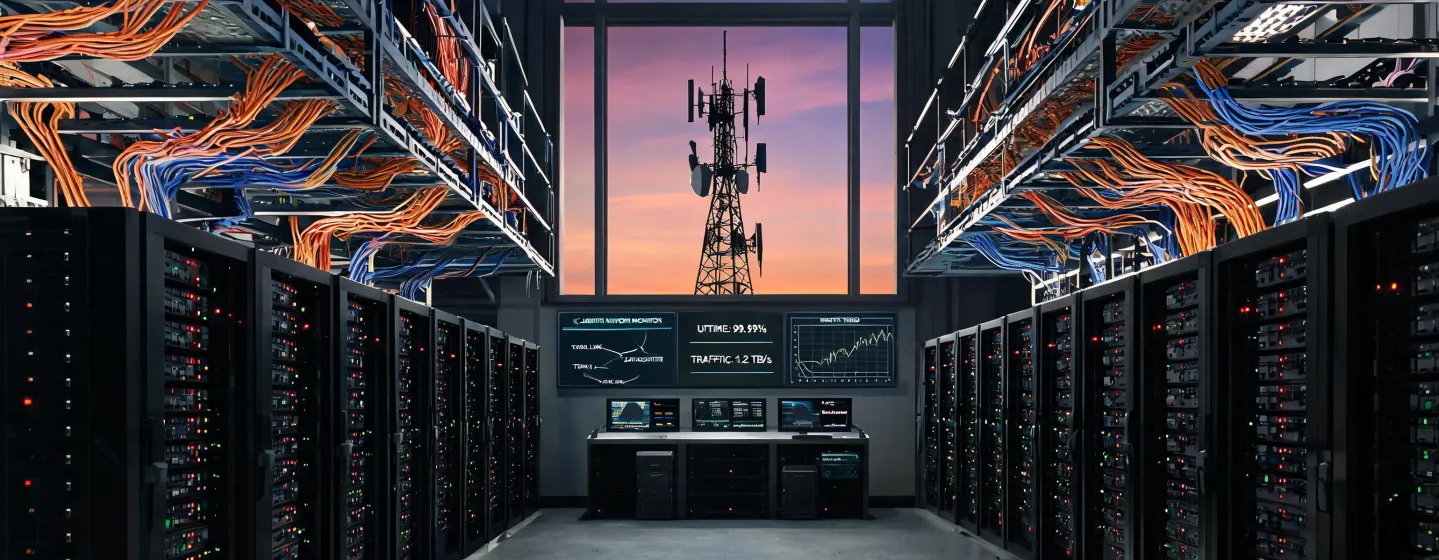
Image-led cards connect each market to measurable network KPIs.
KPI: sub-10 ms latency, n78/n258 radio stability, and RF front-end gain control for dense 5G NR rollouts.
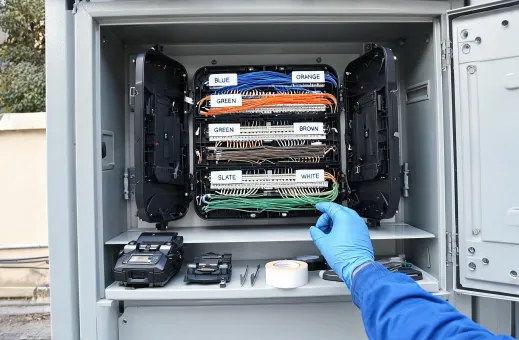
KPI: 0.35 dB/km fiber assumptions, 80 km planning discipline, and stable sensing for access electronics.
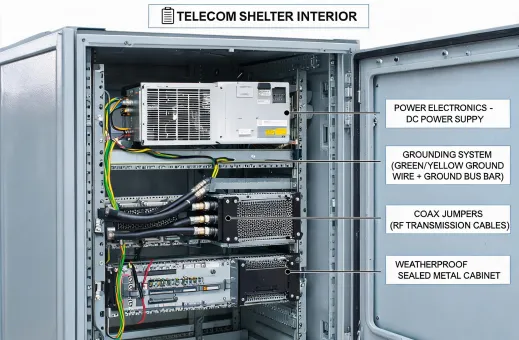
KPI: uptime through thermal cycling, lightning transient protection, and predictable maintenance windows.

KPI: 400G/800G port density, low-ripple power rails, and heat margins around optical cages.
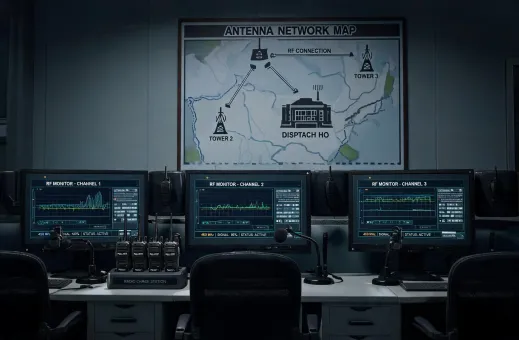
KPI: resilient RF paths, compliant filtering, and component choices that tolerate harsh duty cycles.
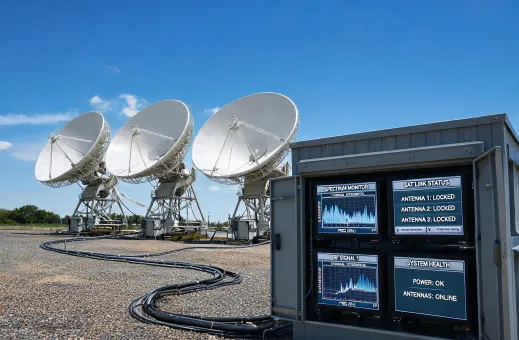
KPI: stable impedance, wide temperature operation, and calibrated sensing for remote communication links.
The industries Vishay serves often share equipment rooms, towers, cabinets, and transport rings. A smart grid deployment may use carrier fiber, a public safety network may share tower space, and a maritime terminal may connect into a metro datacenter. This overlap is why component documentation must be clear. Vishay engineering notes can travel from an OEM design review to a carrier approval meeting without changing the electrical assumptions behind the recommendation.
Share the market, protocol, environmental range, and critical KPI. Vishay will map candidate components to the electrical behavior that matters most.
Schedule Network Architect Call